


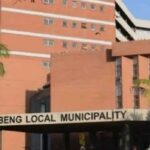



A group representing residents of Ga-Rankuwa says it is planning a sit-in
at the Thabo Mbeki Building, located at 240 Justice Mahomed Street in
Pretoria, to express growing frustration over what it describes as years of
unfulfilled promises by government.
According to the group, the planned protest follows years of engagements
with various government structures over challenges affecting the community,
which included a petition hearing held with the authorities on the 11th
March 2016, with little progress made. While they acknowledge that changes
have taken place in other parts of government, they believe the concerns of
the Ga-Rankuwa community have remained unresolved despite repeated
commitments.
The residents say that in 2015 they became part of a 12-member task team
established to address challenges affecting both Ga-Rankuwa and Mabopane.
The task team consisted of nine members from Mabopane and three from
Ga-Rankuwa. Its last meeting was held on 28 November 2015 and focused on
long-standing issues, including skewed electricity billing inherited from
the Bophuthatswana administration and outstanding title deed matters.
Community representatives have now called a meeting for Tuesday, 21 July
2026, where they intend to adopt a formal resolution on the proposed
sit-in. They say this decision follows numerous unsuccessful attempts to engage
government through petitions, memoranda and other forms of representation.
According to the group, these efforts have failed to produce meaningful
intervention, despite appeals reaching what they describe as the highest
office in the country.
The community also points to several marches that have been held over the
years, none of which they believe have resulted in tangible outcomes.
During their most recent meeting at the YMCA Centre in Ga-Rankuwa,
community leaders resolved that stronger action may now be necessary to
draw attention to their grievances.
With the country preparing for the upcoming Local Government Elections, the
group says residents are increasingly questioning whether they should
participate in the electoral process. They argue that their continued
frustration stems from what they regard as government's failure to address
concerns repeatedly outlined in memoranda and petitions submitted over many
years.